Traditional Folk art has an aesthetic appeal and a natural beauty to it. After almost dying out over the last century, people are starting to rediscover its true value. Here is I try to incorporate it into my daily life.
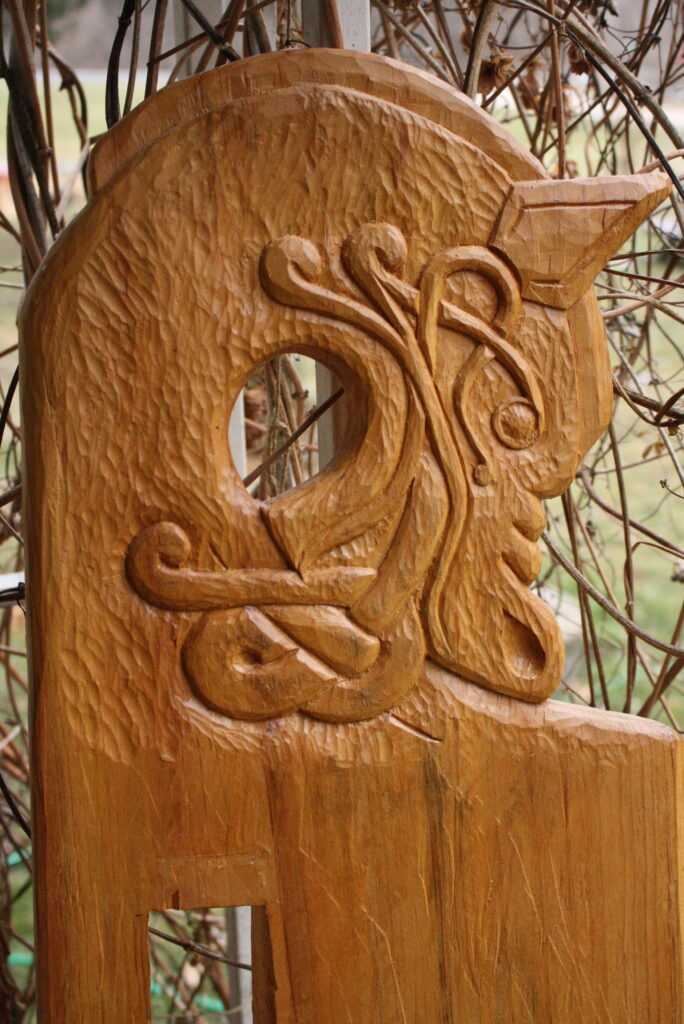
I never thought I would write a commentary on Art, but here we go, I guess. For the record, I wasn’t an Art History major. I don’t know if that qualifies or disqualifies me.
What is Folk Art?
Traditional folk art, specifically, is an expression of a regional and/or ethnic culture. It has various forms on expression–such as woodwork, architecture, textile and clothing, painting, metal-work and pottery. Perhaps one of most unique elements to traditional folk are is how it is used to adorn everyday objects that would have been used by the people in their normal lives. Examples are endless, but I have selected a few original pieces below to illustrate my point:
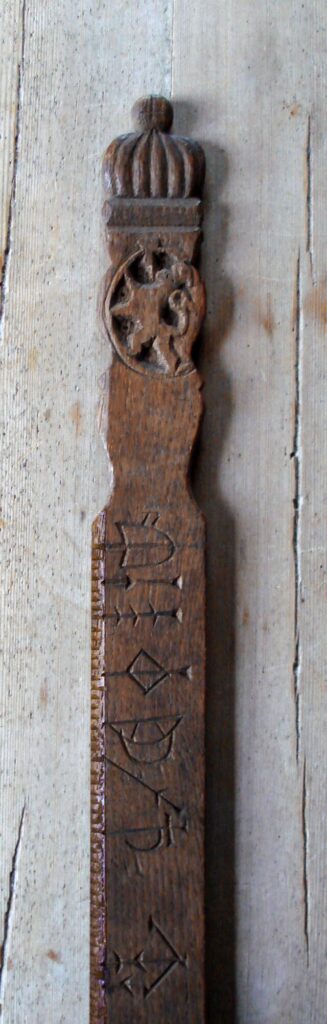
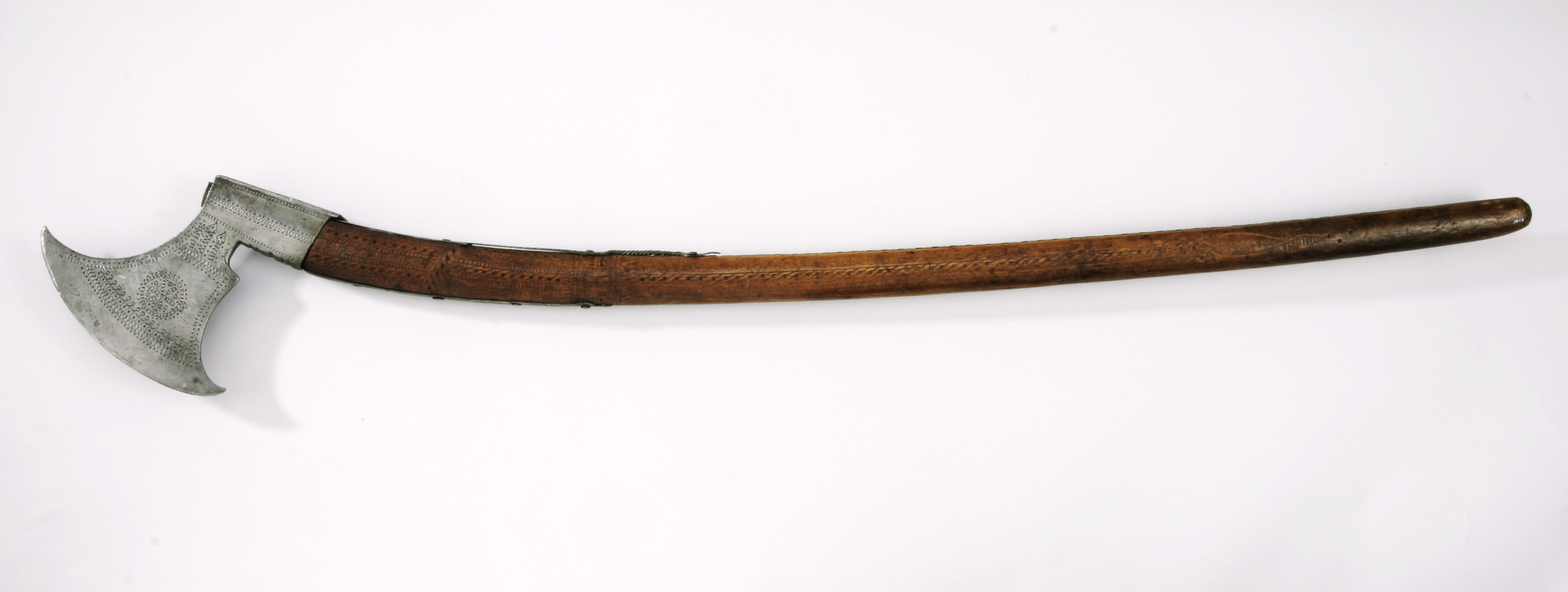
Elements of Traditional Folk Art
Over the years of contemplating folk art and the role it plays in a natural and traditional culture, I came up with a few observations:
- Generally, folk art embellishes an object that has either a practical or ceremonial purpose.
- It utilizes(but not restricted to) native natural resources–i.e. local wood types, or local plants for natural dyes and paints.
- Folk art makes the most sense within the cultural context that gave birth to it. Taken out of that context and it loses some of its beauty and meaning.
- It can be used to tell a story using a non-literary medium.
- It incorporates elements of the natural environment of the immediate surrounding area–i.e. local flora and fauna
- It incorporates mythical and folkloric elements, such as mythical beast motifs
- strong religious symbolism. In a traditional culture, daily life and the religious life are inextricably interconnected.
The disintegration of rural community with the Industrial Age and the Modern Age saw the decline in much of these cultural traditions. Regional identities and differences once made up a colorful patchwork of a landscape. Now, this was steadily eroded away in preference to a new sort of artificial, urbanized identity. With that, the hand-crafted objects and their masters slowly gave way to the convenience and demand for mass-produced objects.
For many who immigrated to the United States, there was a large push for them to discard their native identities and customs in order for them to assimilate and become more “American”. On this subject, I shan’t say more at this time…
However, in certain circles, ethnic and traditional folk art is steadily growing and experiencing its own renaissance.
Folk Art and Homesteading
The growing interest in traditional folk art and the recent homesteading movement share many of the same catalysts. People are increasingly becoming disillusioned with the superficialities of a culture based off of technology and consumerism. They want fuller lives that have a direct connection with their land, their food and clothing. With that, they are delving into their ancestral past with new eyes.
Why Revive Traditional Folk Art?
Modern tastes and aesthetic ,for say the last 100 years, has been shaped by machines and industry. From it we get cheap fashion and cheap (and ugly) art. I really think our eyes are starving for the natural beauty that traditional folk art imparts.
Like the modern homesteading movement, traditional folk art also has a huge potential for the 21st century. It is a healthy alternative to the status quo, modern aesthetic.
How to Authentically Revive Folk Art
Using Natural Materials
A big part of reviving this tradition means learning how to work with natural materials again. This in itself takes training, patience and experience. Not only that, but most of us need to learn how to work with our hands again! Again, it takes time and patience. But never fear! It is engrained in your very nature to do these things!
I also strive to use locally-sourced material. For me personally, the main medium for art is woodworking. Acquiring wood that is unique to a particular area will leave its own mark, or “accent” on how the finished piece turns out.
Design for Use, not just Display!
We can be thankful for all the original artifacts from the past that have been preserved and put on display in museums and heritage centers. They keep alive the memory of our past. And those original pieces serve as an inspiration for us now.
But in order for folk art to become a living tradition, it needs to be for more than just display. Rather, it ought to be somehow incorporated into our daily lives.
This is usually my goal when creating things. Granted, a lot of time and energy goes into the fashioning and adorning if an object like a wooden spoon. One almost wants to keep it displayed on a shelf, in order for it remain perfect and unblemished. However, I find that using such objects and actually, wearing them out over the years, lends a whole new level of beauty to the concept of traditional folk art. It shows that value does not lie solely in the finished product. Rather, value lies in the knowledge of how to create such things.
With that, here are some of my own examples:
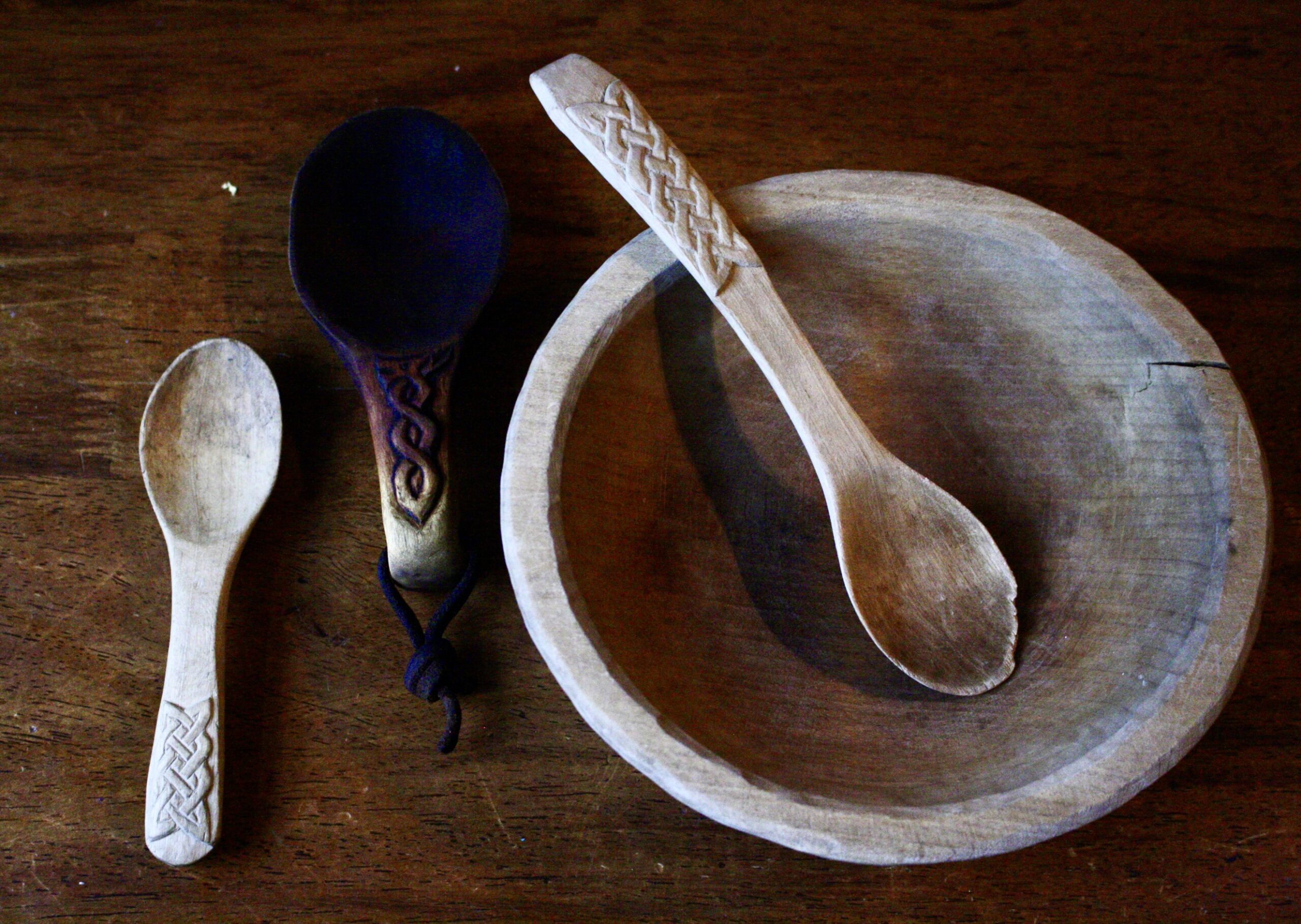
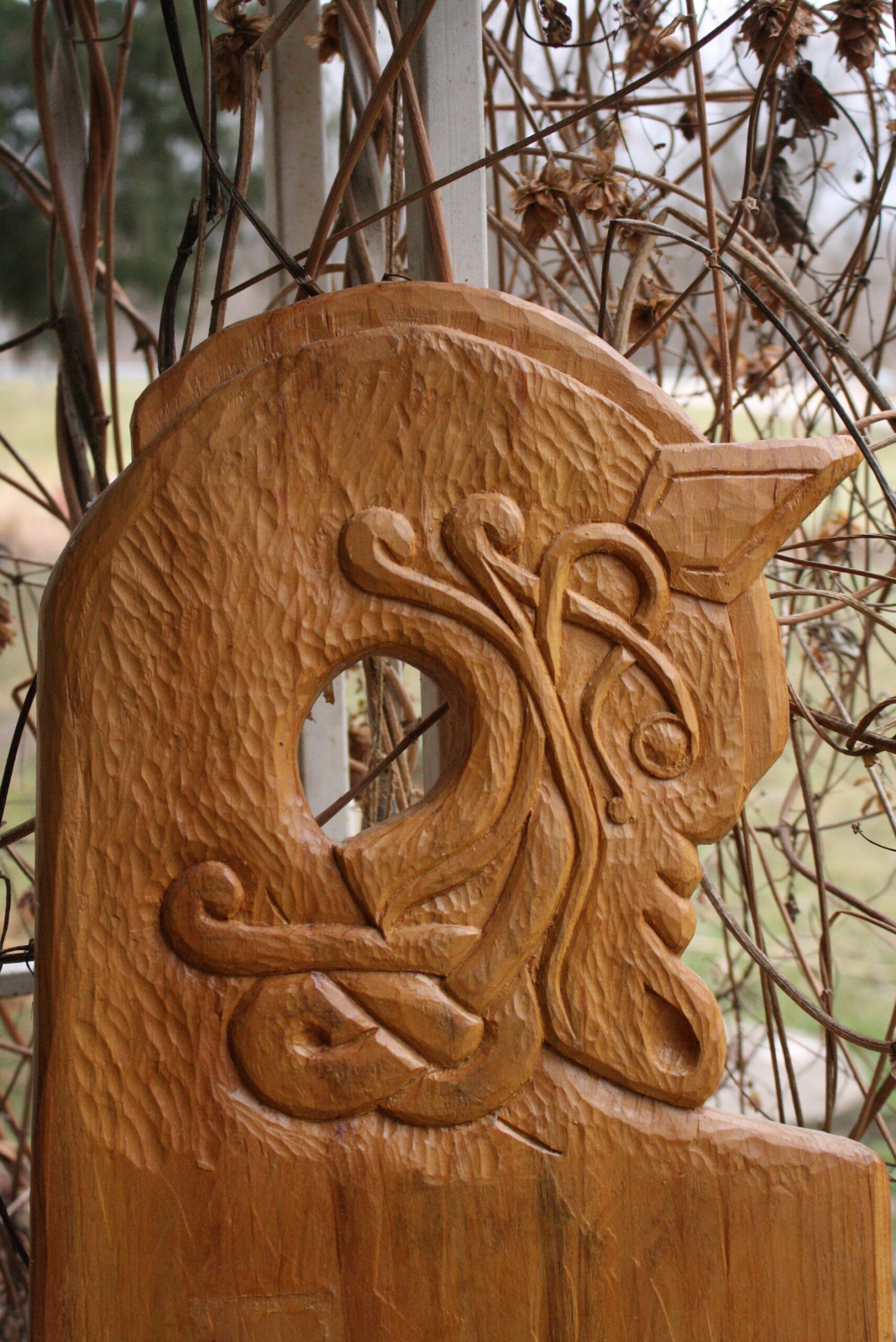
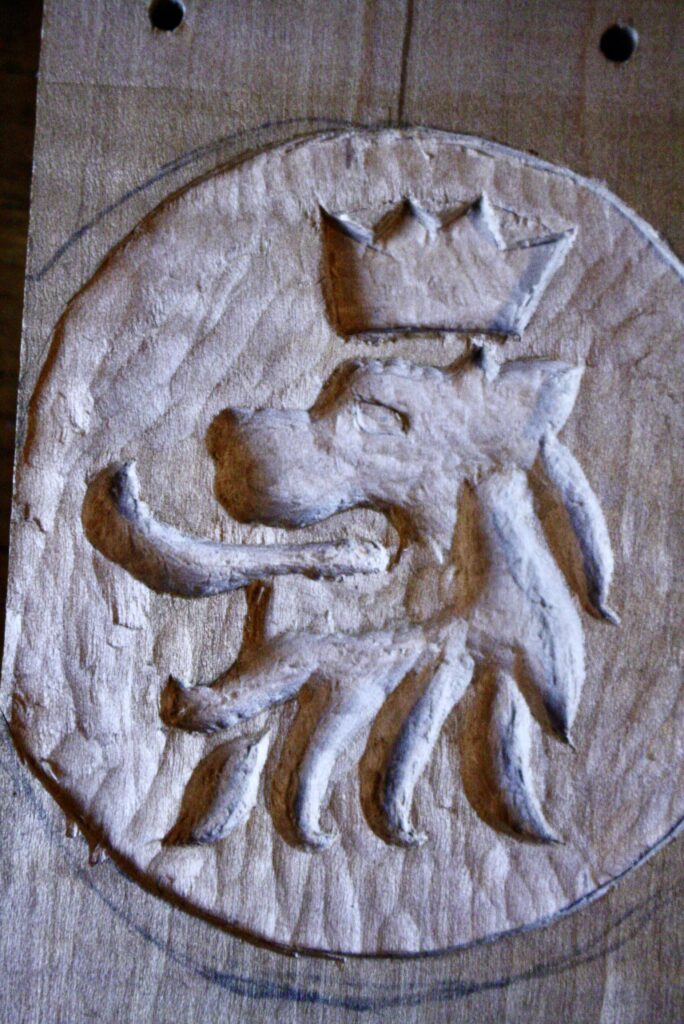
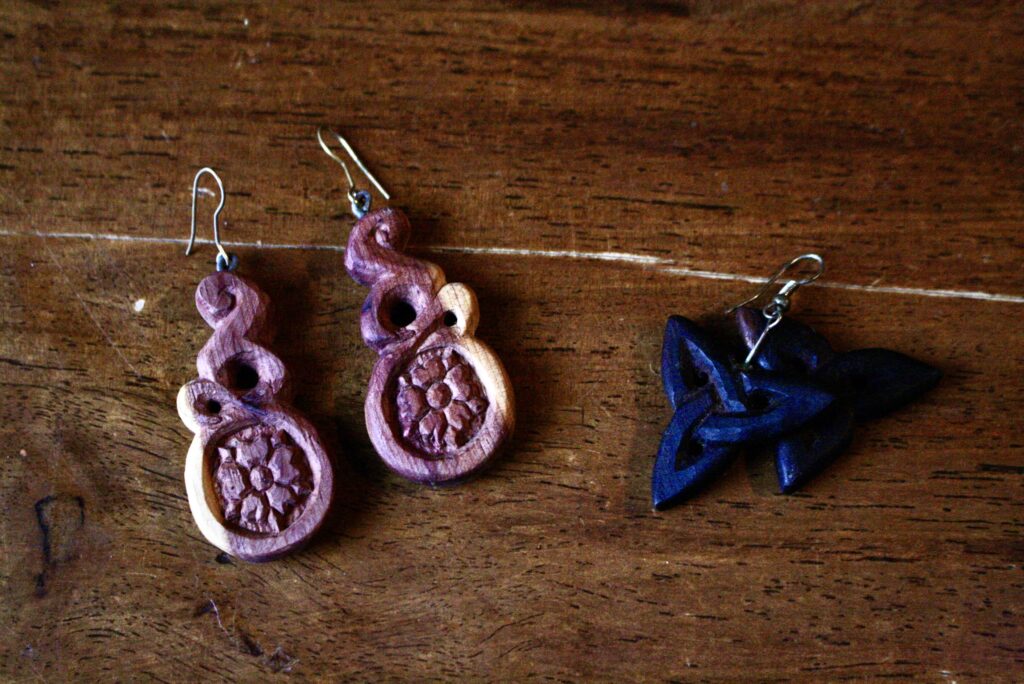
I think there can be a reasonable blend of traditional folk art with the modern era. As with everything on the Peasant Ways for Modern Days blog, we remain firmly in the 21st century. However, we seek to enrich and beautify life with inspirations from the past.
~ Nathanael

Leave a Reply