
The billhook is a largely forgotten, must-have tool that was common for thousands of years throughout Europe. If you are a sucker for hand-tools like me, here are all the reasons why you should have one too.
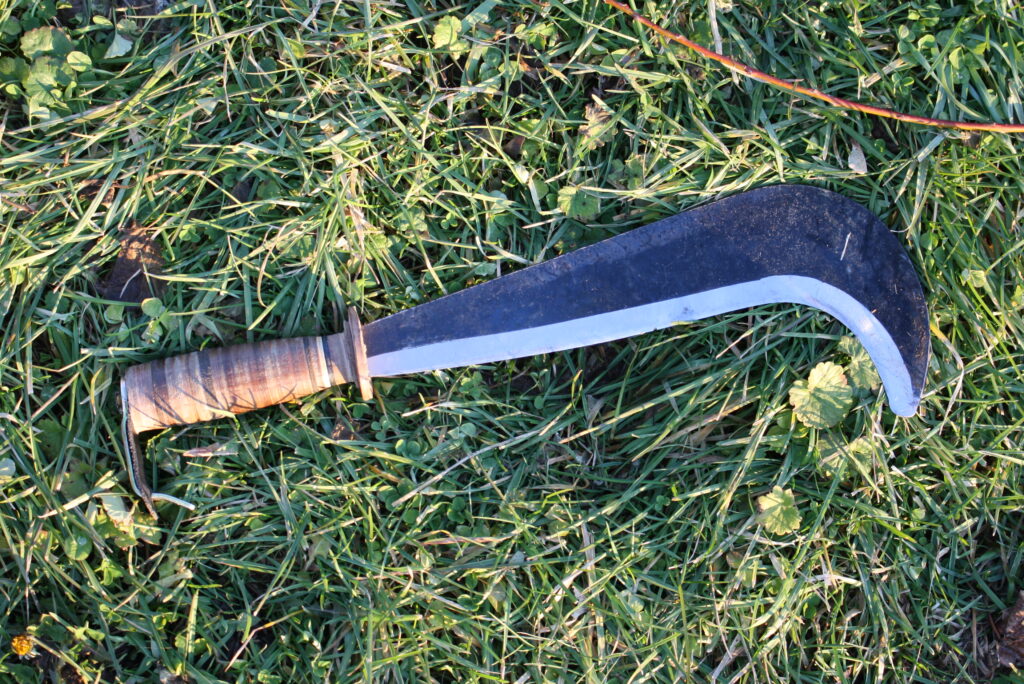
For Christmas, my dear children bought me this Swiss style billhook called a Gertel. This is a tool I have been long wanting add to my kit. This is more than a mere tool. In my opinion, it is a prime example of a timeless piece of culture stretching from the present day back centuries.
The Billhook: Old-Fashioned but not Anachronistic
Though the bill-hook may not be so readily familiar to people in the New World, it still is fairly common in Europe. Hardware shops there still carry them, and they have come to be a cultural icon in places such as England. However, it has been a basic everyday tool for farm and woodland-related activities all over Europe.
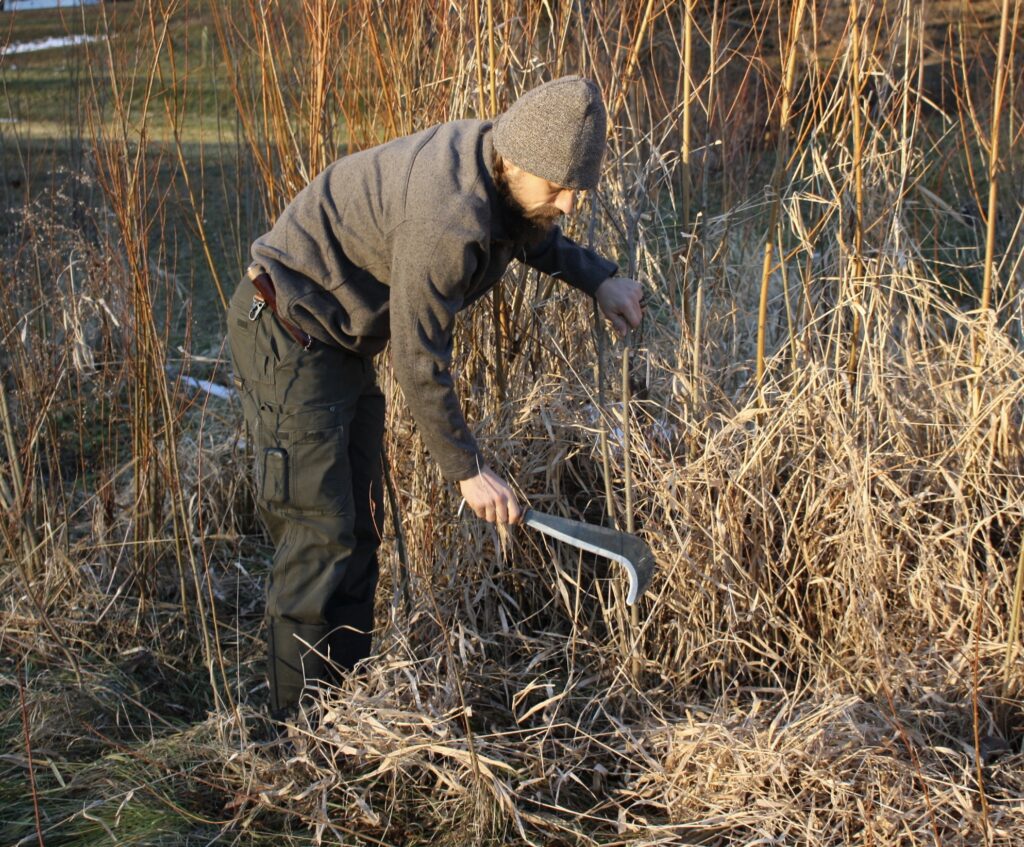
The billhook may look like a sickle, but it is not. Whereas a sickle is for cutting grain stalks, a billhook is a wood tool. Much like the machete of tropical climes, the billhook blade is hefty enough to hack through sticks and branches.
The Features of the billhook
- The blade: As stated above, the billhook is like a hefty machete. has a longer cutting blade than a hatchet, plus it s thin enough to cut through tight clumps of small wood.
- The hook: can be used for pulling down high up branches. Likewise, when chopping close to the ground, the hook prevents the blade from hitting on hidden stones.
- Advantage in clearing brush: It is my opinion that a billhook has an advantage over chainsaws in cuting through brushy clumps and undergrowth.
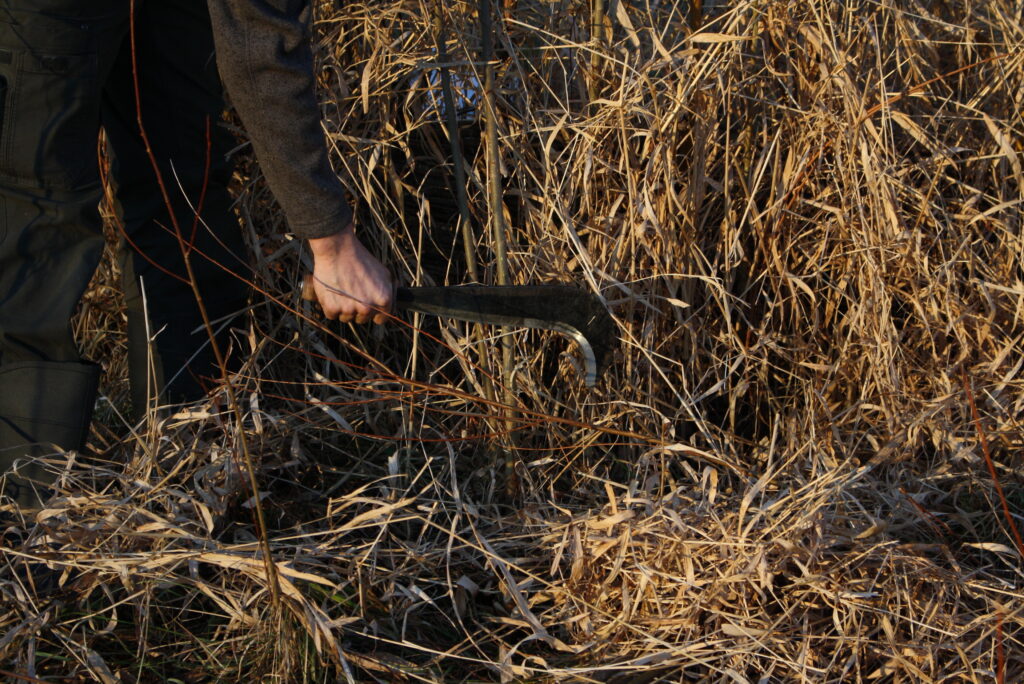
What sort of jobs was this used for? What made it so indispensable? Lets look at what our ancestors did with it…
Hedgelaying
For millenia, farmers created fences using natural materials. This included planting and maintaining livestock-proof hedges. This was a living, organic fence that required regular husbandry with a billhook. Hedgelaying eventually deeply shaped both the physical and cultural landscape and preserved the local bio-diversity.
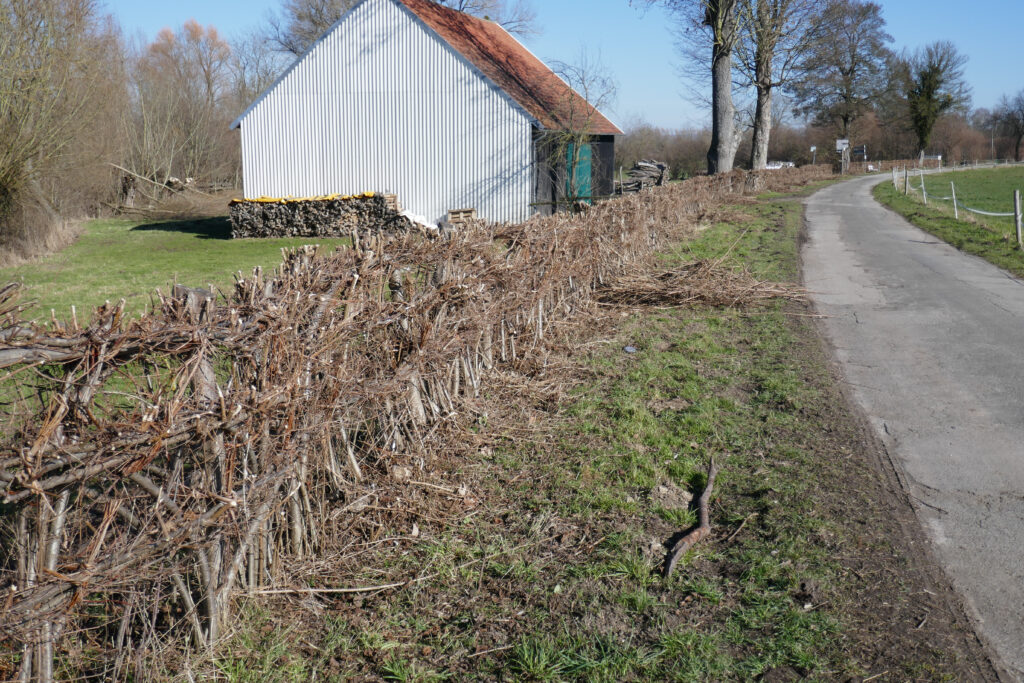
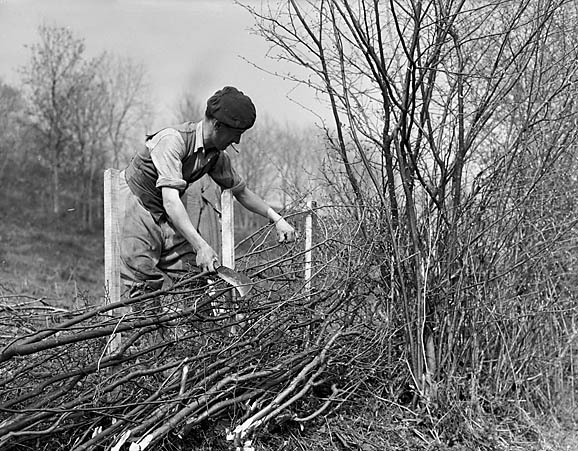
Source: Wikimedia Commons
Cutting Firewood
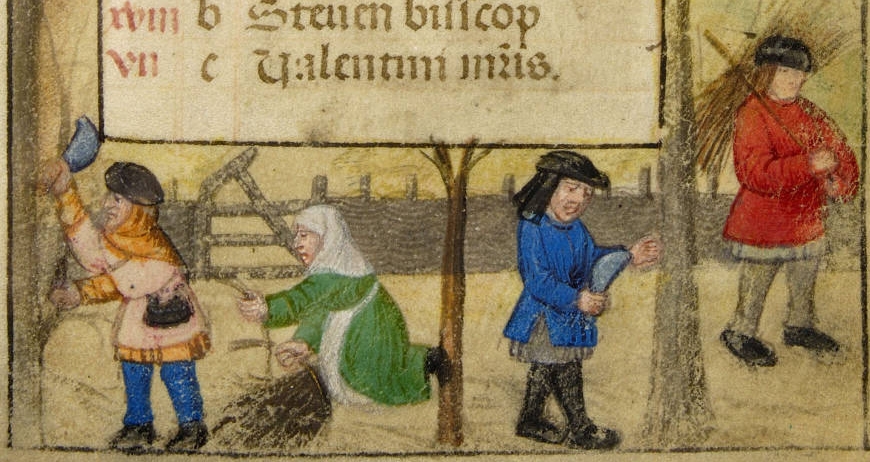
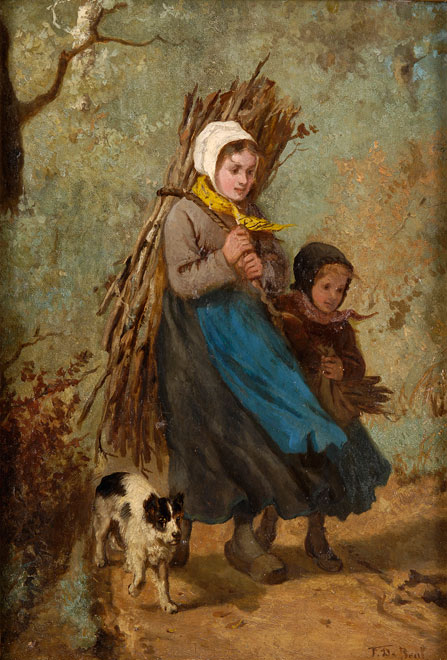
Wood heating systems nowadays can be insanely inefficient, sending most of the heat right up the chimney. Thus, we are used to large chunk firewood to keep these monster furnaces roaring. In contrast, firewood in much of past history was predominantly small diameter wood. This was a sustainable use of the woodlands that kept a steady supply of a very essential resource. People cut sticks into regular lengths and bound them into tight bundles called Reisige, or Welle in German. These were well suited to heat thermal mass ovens called a Kachelofen.
Coppicing and Pollarding
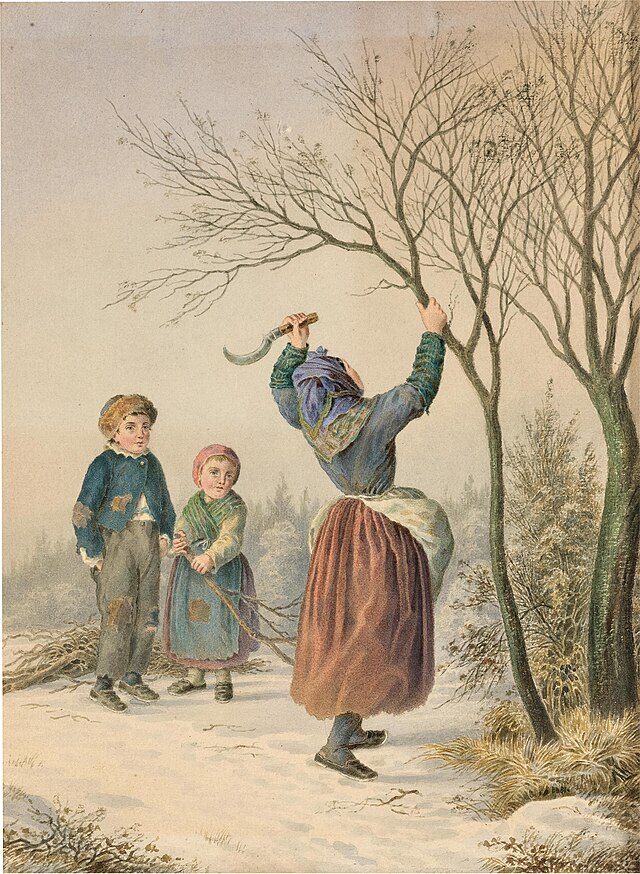
Quick growing growing wood like hazel and willow grows when cut in the dormant period. By managing a special woodland called a coppice, people for centuries managed a sustainable source of wood for building material–especially in wattle and daub construction. Read more about it here in this article: How to Grow Willow from Cuttings.
Cutting Tree Fodder
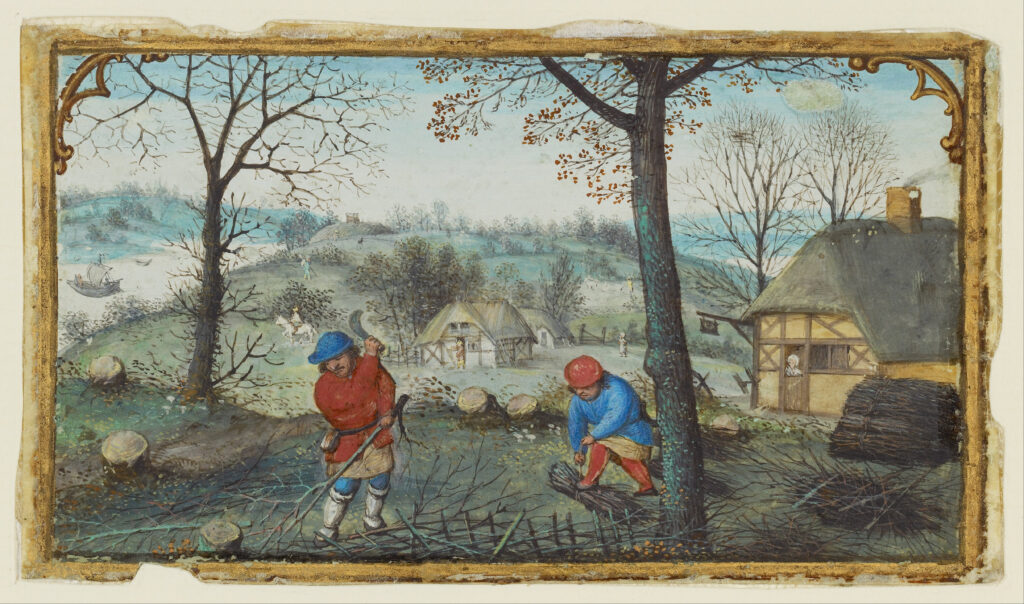
The Swedish name for billhook is Lövkniv: literally meaning “leaf knife”. In Northern places such as Scandinavia, this tool was especially put to use in cutting “tree hay”. Tree hay is a largely forgotten practice of harvesting and storing tree foliage to feed livestock over the winter months. Originally, this helped farmers save more field space for planting grain. This was this a reliable source of fodder based off of a perennial crop (i.e. trees). The leaves also provided valuable minerals and anti-parasite benefits to the livestock. There is currently a growing interest amongst homesteaders and cultural heritage enthusiasts in reviving this practice. I hope to write more on this over the years.
These are just a few things a billhook can do! It seems that every traditional culture around the world has adopted some form of large blade to be an indispensable tool for their trades and crafts. The billhook is a great example of one these cultural icons. Som whether you are looking for a good bushcraft blade or a tool for clearing out that brush patch out in the backyard, this is a good one to have!
~ Nathanael
Here are some related articles to check out:
A Practical Guide to Machetes, Bush-Knives, and “Seaxes”
How to Appreciate a Swamp on your Homestead
How to Build a Living Privacy Fence from Willow

Leave a Reply